Discover how hidden costs affect university students in Uganda and why student support systems are essential for education success.
Read more: THE PRICE OF STUDYING: THE HIDDEN COSTS OF UNIVERSITY LIFE IN UGANDA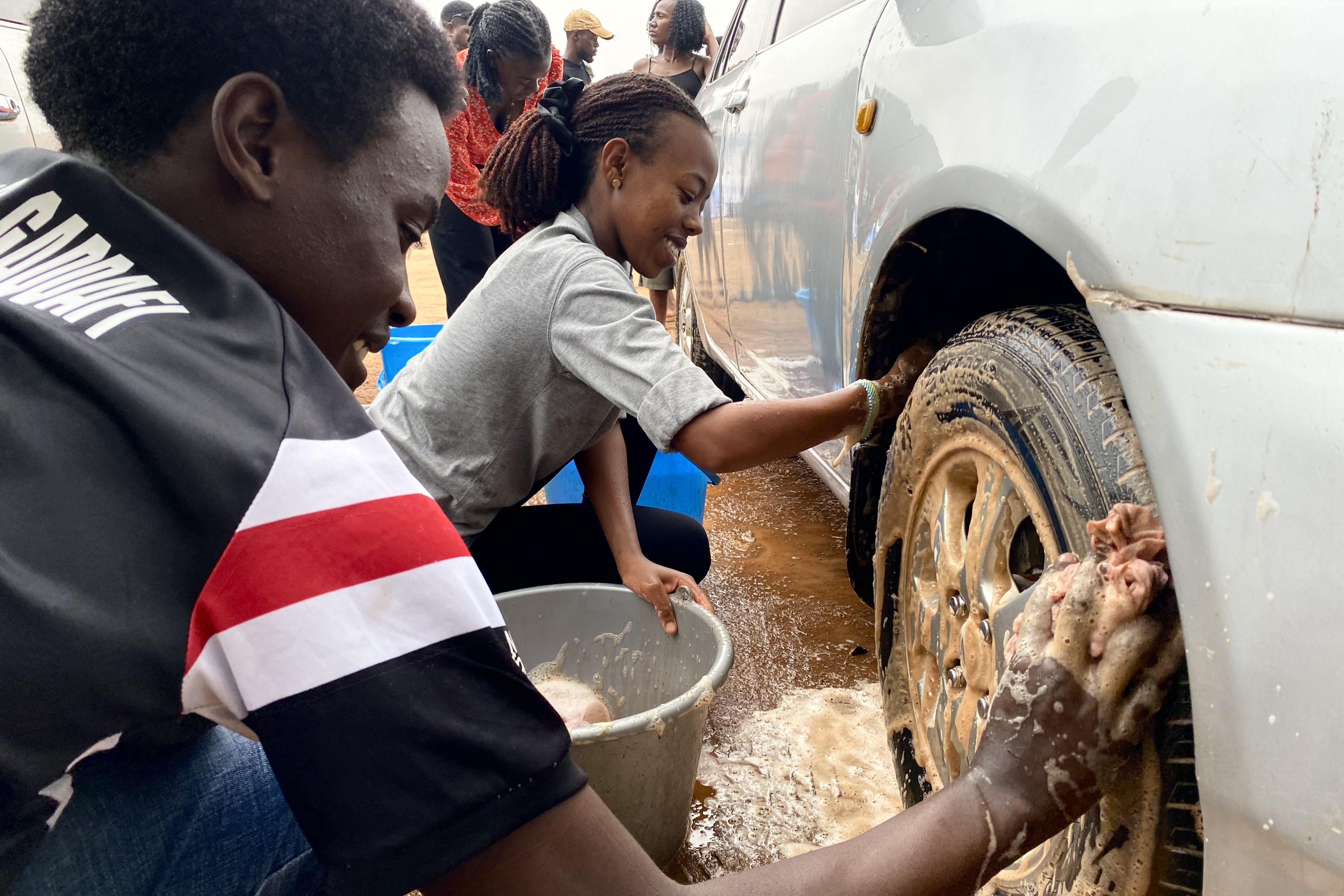
I stood at the main gate of MUBS and watched students stop cars and sell coupons. A coupon started at twenty thousand shillings, though drivers could give more. Most of the students collecting the money were in Year One, but the team was a mix of years.
The campaign is called Njala Campaign: No Student Should Sleep Hungry. It is led by Twesigye Denison, a Year Two Bachelor of Commerce student and Minister of Internal Affairs and Welfare. The students had spent the whole week telling people about it before the car wash began.
The coupons were printed in a book, each with the campaign name, the donor’s name and their car’s number plate. Students went from office to office, and when someone paid, they washed that car. “It depends how much you’re willing to give,” Denison told me.
The money was never meant to be handed out as cash. Students in need would register through a link shared in class groups, with their name and where they stay. Then the team would buy food and pack it.
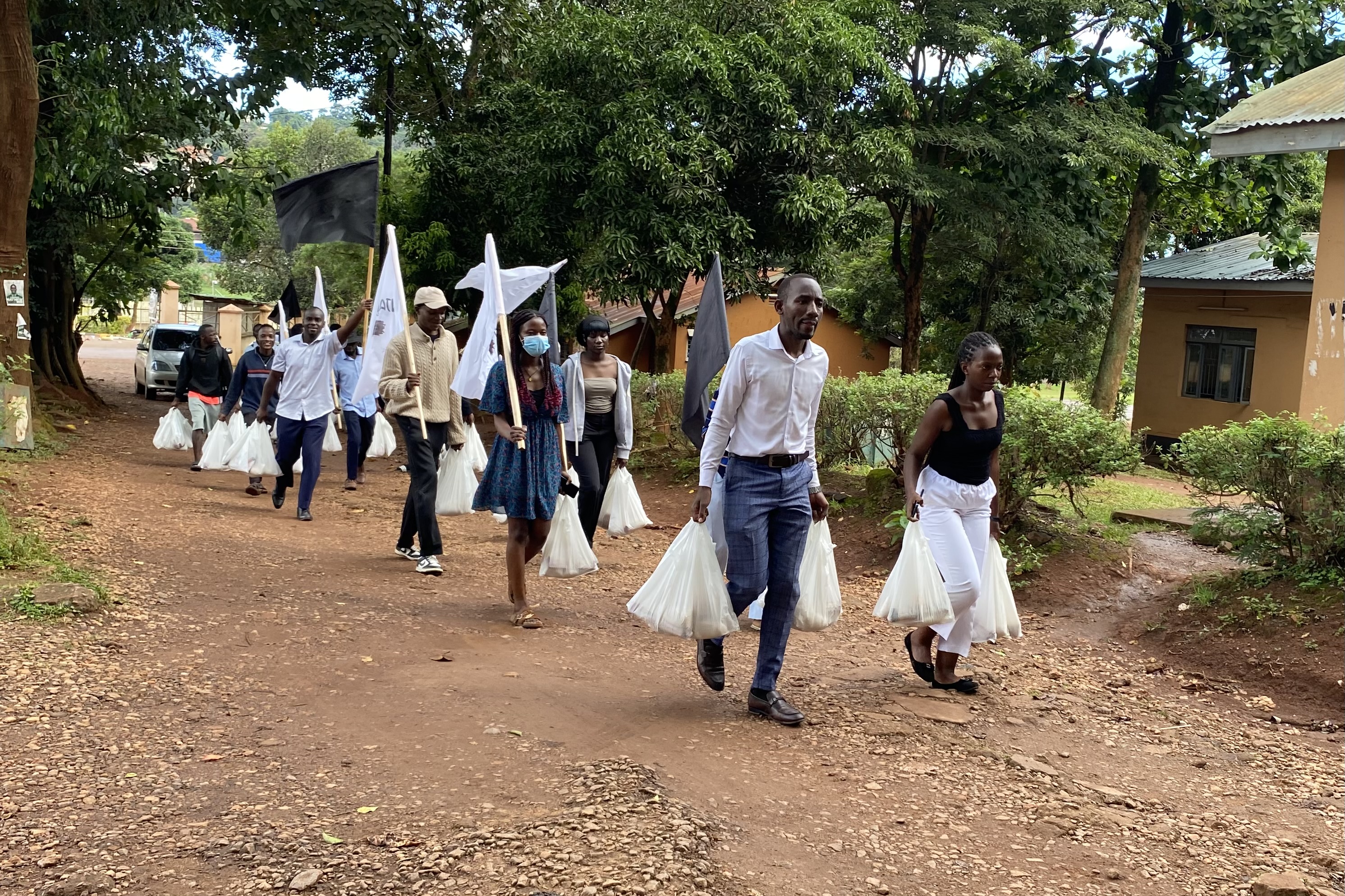
On 13 November, they washed more than fifty cars and raised over one million shillings. The next day, they spent it on spaghetti, rice, sugar, cooking oil and pads, and packed everything into polythene bags. I followed them as they carried the bags to the Small Gate area and then to Kataza, where most MUBS students live. About two hundred students received a pack.
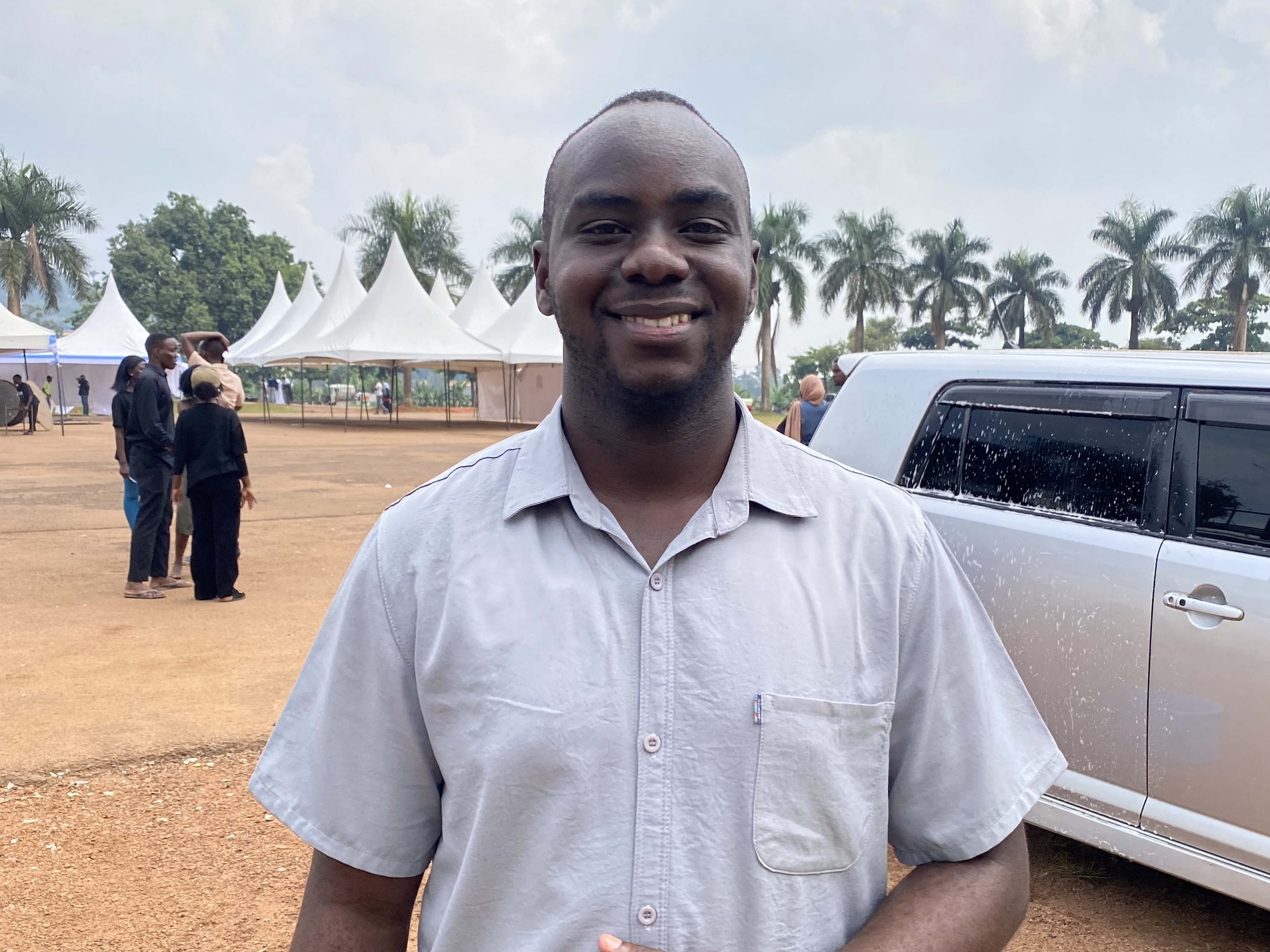
Lamony Reagan Moses, a Year Two student from Gulu, was one of the students washing cars. He told me about a colleague who spent two days on nothing but cassava bought for five hundred shillings, and water.
“That’s a sign to feel that people are really scared,” he said. “People tend to keep quiet and carry that burden of hunger by themselves. They don’t tell others that it’s there.”
Many students come from struggling backgrounds, he explained, and are given a small upkeep with the instruction to budget hard. “At campus, it’s not just only feeding which is your big problem. There’s printing work… you might get malaria… internet.” After those costs, the feeding money is almost gone. Some fear to call home because things are also hard there, so they rely on friends or small survival gigs.
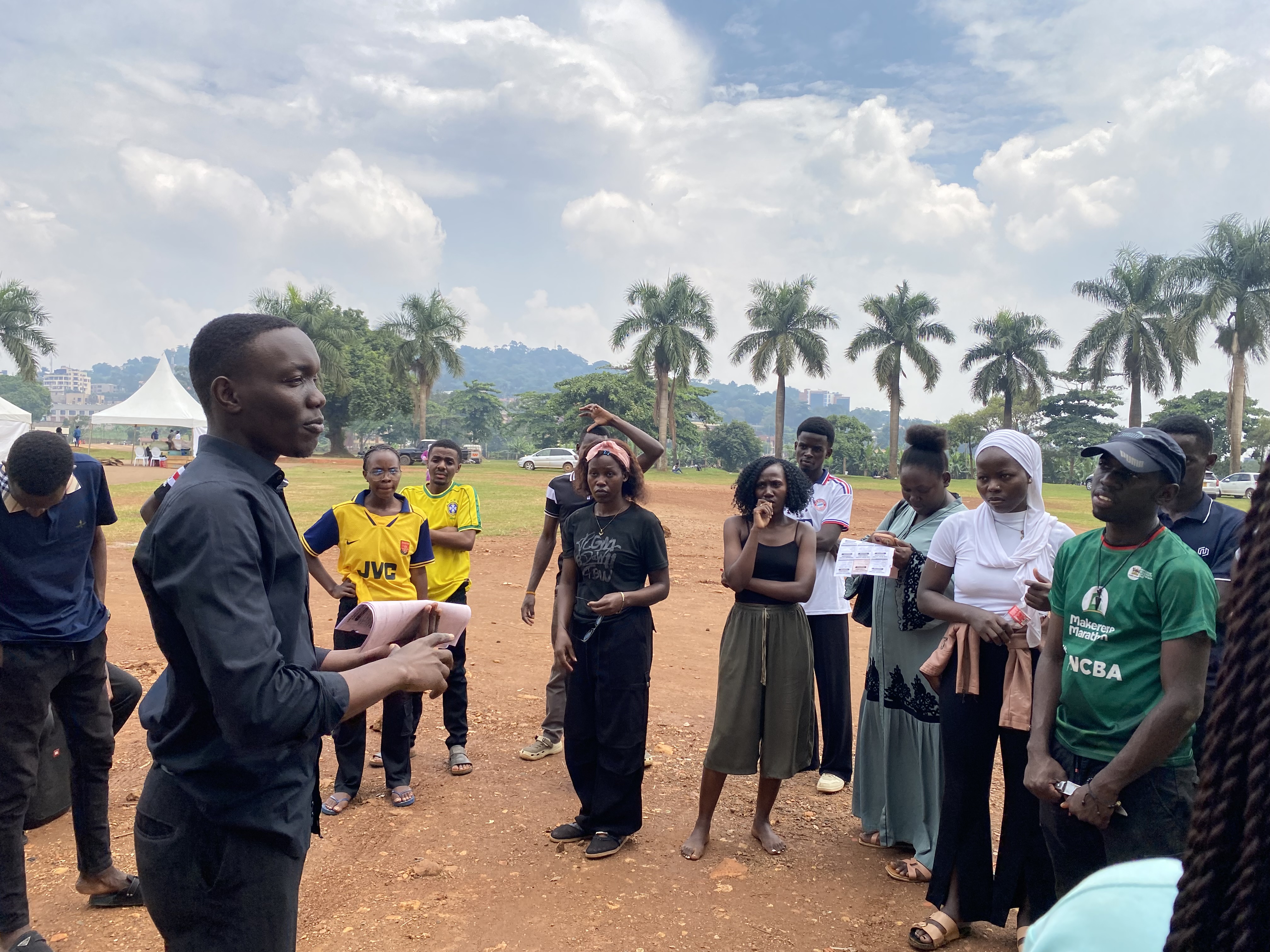
Larry Gift Okullo, a Year Two Bachelor of Commerce student, described the shock of coming from boarding school, where meals were simply provided.
“When I came to campus, I actually didn’t come with anything. I didn’t even buy sugar, nothing… I just go with money. Whatever I want to buy, I just buy.”
He found himself spending about fifteen thousand shillings a day on breakfast, lunch and supper. One time the money was delayed, and he went roughly two and a half days with almost nothing.
“I had no energy… I could not stand. By the third day I had a headache, I was feeling dizzy.” He was watching a Uganda match but could not follow it. His roommate later helped him.
Then there is the constant trade-off. “Should I buy data or I eat food? So we get caught up in that way.”
Students told me hostels near campus start from about Shs 900,000 per semester. Data costs about Shs 3,000 a gigabyte, because there is no free Wi-Fi at campus. A day of food money buys five gigabytes. Government-sponsored students receive an allowance of around seven hundred thousand shillings a semester, and many had not received it this semester because of delays. Parents often assume that is enough. Students say it is not.
Denison sees this as a beginning. “This is the start of this campaign,” he said. “By next time, you never know. This campaign can even increase… It might not be a car wash. It can be a run.”
The students handing out bags on 14 November were not waiting for anyone to fix this for them. They washed the cars, counted the money, packed the food and walked it to their colleagues’ doors.
The hunger is real. So is the decision not to let each other carry it alone.
PEOPLE
Discover how hidden costs affect university students in Uganda and why student support systems are essential for education success.
Read more: THE PRICE OF STUDYING: THE HIDDEN COSTS OF UNIVERSITY LIFE IN UGANDA
Food insecurity affects students differently. Learn why a gender lens is essential for creating inclusive food security solutions in Uganda’s universities.
Read more: Food Security Through a Gender Lens: Building Inclusive Universities in Uganda
Discover why food security in universities is essential for student success in Uganda. Learn how Learn and Lunch is tackling campus hunger through research, advocacy, and student-led solutions.
Read more: Food Security in Universities: A Fundamental Pillar for Student Success in Uganda